
Fall is underway and wild birds are starting to plan their winter feed spots which means it’s time to let them know that you’re a reliable source of food.
That means it’s time to stock up on seeds!
Birds are very smart animals and like you, they prefer to go to yards with a consistent (and nutritious) supply of food, if you forget to fill your feeder one too many times you might get a bad reputation with your local birds.
If you’re new to feeding birds, it’s easy to get started.
Step 1: Choose a feeder.
Tip! Choose your feeder wisely! More than birds enjoy snacking on seeds.
Step 2: Choose some feed using our handy guide below.
Tip! Remember to clean your feeders regularly to keep the birds safe and healthy.
Step 3: Sit back from a safe distance and wait for some feathered friends to arrive.

Bird Feed Guide
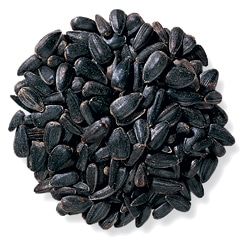
Black Oil Sunflower
This is the most popular seed at feeders. It is a small, all-black sunflower seed that has a high oil content and a thin shell that is easy for the birds to open. FortWhyte offers it in a variety of size bags. (5lb, 20lb and 50lb). Often it is placed with other seeds to form what is called a mixed seed. It should be the start of any feeding station.
How to offer: It is best offered in hanging tubular feeders and hopper feeders.
Birds who like it: It attracts a lot of species of birds including chickadees, nuthatches, goldfinches, house finches, redpolls, grosbeaks, and jays.

Mixed Wild Bird Seed
FortWhyte sells a premium blend of mixed seed available in a variety of bag sizes (5lb, 25lb & 50lb) It contains black sunflower oil seed, millet, milo and cracked corn.
How to offer: It is best offered in hanging tubular feeders and hopper feeders.
Birds who like it: It attracts species of birds including chickadees, nuthatches, and sparrows.
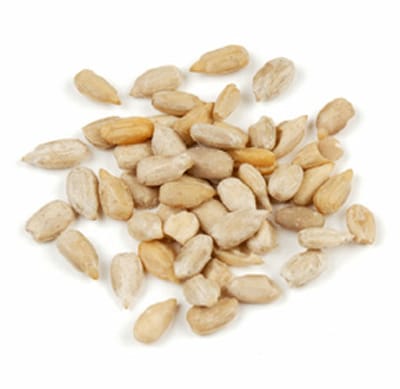
Hulled Sunflower Seed
This is sunflower seeds without the hulls. It comes as either complete hulled seeds or as sunflower chips. There are advantages for you and for the birds. For you, there is no accumulation of hulls under the feeder that needs to be cleaned up; for the birds, it is easier to eat.
How to offer: This is best offered in a tubular hanging feeder or a hopper feeder.
Birds who like it: This attracts a greater variety of birds than sunflower with the hulls on because birds that normally could not crack open the shell can eat it. These include woodpeckers, wrens, and woodpeckers along with chickadees, redpolls, nuthatches, goldfinches, house finches, grosbeaks, sparrows, and jays.
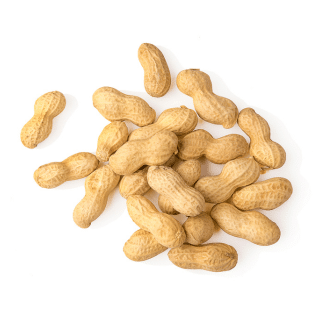
Peanuts
Increasingly more nuts are being offered in seed mixes. These include mostly peanuts in the shell and peanuts shelled.
How to offer: Seed mixes with nuts can be offered in hopper feeders, on trays, or scattered on the ground or in a specifically designed peanut feeder.
Birds who like it: Most birds that eat hulled sunflower seeds eat nuts. A favourite of woodpeckers and blue jays along with chickadees, nuthatches, goldfinches, house finches, grey jays, and grosbeaks.

Nyjer or Thistle Seed
This is a very tiny black seed. It does not come from our native thistle plants but is imported from Ethiopia and India. It is sometimes referred to as the “Nyjer” seed. It usually comes in smaller bags.
How to offer: Since this seed is so tiny it must be offered in special feeders that have small seed portals so that it does not all spill out. These are usually plastic tubular feeders, wooden feeders with fine wire mesh, or just plain wire mesh feeders.
Birds who like it: This is one of the favourite seeds of goldfinches. Other related birds who like it are Gold Finches, House Finches, Purple Finches, Pine Siskins, and redpolls.

Striped Sunflower
This is a larger type of sunflower seed that has a lower fat content and a harder shell. It is black with white longitudinal stripes. It is harder for birds to open and not favoured by birds as much as black oil sunflower seed. (This seed would need to be special ordered at FortWhyte)
How to offer: It is best offered in hanging tubular feeders and hopper feeders.
Birds who like it: It attracts the same birds as black oil sunflower seed—chickadees, nuthatches, goldfinches, house finches, cardinals, grosbeaks, and jays.

Millet
Millet is a small round seed about the size of the head of a pin. There are several different types. White proso millet is light-coloured and the most popular with birds. Red and golden millet are somewhat less liked by birds and less often available in stores. Millet is often a major component of seed mixes.
How to offer: Millet can be placed in a variety of feeders, such as hanging tubular feeders, hopper feeders, and tray feeders. It can also be sprinkled on the ground.
Birds who like it: Millet is liked by doves, sparrows and juncos, cardinals, quail, and buntings.

Cracked Corn
This is dried corn kernels that have been cracked into smaller pieces. It is available by itself but is more often found in seed mixes. It is generally less expensive than some other seeds.
How to offer: Cracked corn is best offered in seed mixes in hopper feeders, tray feeders, or scattered on the ground.
Birds who like it: A wide variety of birds that like to feed on the ground come to cracked corn. These include: doves, sparrows, blackbirds, grackles, and jays.

Suet
This is animal fat that is usually processed into a brick or cake with added feeds like seeds and nuts. Suet is a great food in winter because it is high in fat and will help with increased caloric needs in the cold.
How to offer: In a specialized suet feeder, mesh onion bag, or in a wire cage. You can also smear or pack suet on tree bark with some seeds or nuts for an easily accessible treat.
Birds who like it: Many insect-eaters enjoy suet. These include: chickadees, woodpeckers, goldfinches, jays, nuthatches, robins, sparrows, warblers, and wrens.

Mealworms
This is a larvae that are offered live or dried and are a good high-protein food for birds.
How to offer: Mealworms are best offered on a flat surface or tray, or in a specialized mealworm feeder.
Birds who like it: Popular with many insect-eaters. (bluebirds are especially big fans). These include: chickadees, bluebirds, wrens, woodpeckers, robins, catbirds, nuthatches, and thrashers.

Ready to stock up?
The Nature Shop’s Annual Seed Sale is back from October 13-15, 2024 with the best prices of the year on birdhouses and feed.
We’ll even help you load it into your car!